
Image
Professor Lisa Ferguson Stegall, Exercise Science

Exercise Science Major

Bachelor of Arts and Bachelor of Science

Unique bachelor's degrees in exercise science

Be on the cutting edge of improving human health and performance. With Hamline’s exercise science major, you’ll gain the knowledge and hands-on experience to succeed in physical performance, rehabilitation science, or both.

Depending on your career goals, you can choose between a bachelor of science (BS) or a bachelor of arts (BA):

  • With a BS in exercise science, you’ll be prepared for doctoral and professional programs such as physical therapy, or graduate studies in exercise physiology and sports biomechanics.
  • With a BA in exercise science, you can pursue professional programs in occupational therapy, graduate studies in athletic training, strength and conditioning, cardiac rehabilitation, and sports science—or step directly into the fitness and wellness workforce.

Whatever your career path, your degree can be customized for your success.


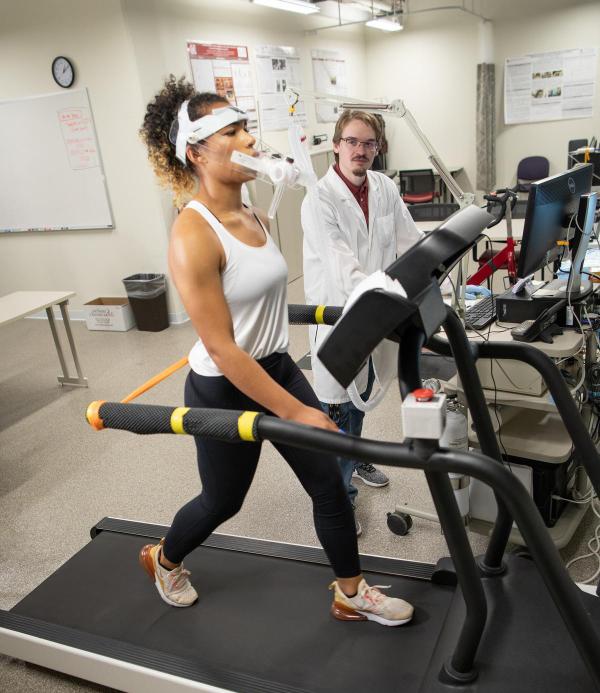
Students in the exercise science program conducting collaborative research on beetroot supplements

Students in Hamline's exercise science bachelor's degree program conducting collaborative research on beetroot supplements
Image
Exercise Science research study coordinator Owen Sloop in a white coat

Getting involved with the exercise science program was the greatest thing that happened to me at Hamline. Working collaboratively with professors in captivating classes, as well as through Hamline's amazing research programs, allowed me to become an experienced scientist.

Owen Sloop '20, exercise science, kinesiology and exercise science; Sr. Clinical Research Technician at IQVIA in Saint Paul, MN

Exercise science program details

Opportunities for student research

At Hamline, exercise science majors starting as early as their first year participate in research with faculty, something normally reserved for graduate students at other institutions. You get to design and conduct your own research project.

The list of possible research projects is as varied as your interests. For example, picture yourself:

  • Investigating how a beetroot supplement affects exercise efficiency and blood pressure in trained athletes
  • Exploring the levels of awareness about high blood pressure among college students 
  • Researching the effects of a seven-week yoga program on measures of functional mobility and perceived stress and fatigue levels in older adults
  • Investigating the effects of carbohydrate and protein beverages on exercise performance in elite cyclists
  • Examining the effect of fatigue on ankle muscles in female gymnasts
  • Analyzing the shoulder profiles (strength, balance, range of motion) across overhead athletes such as gymnasts and track and field throwers
  • Investigating how the knee and leg muscles of women’s soccer players are affected by a 2-hour practice session

During your research process, you’ll have the opportunity to present your work at conferences, and potentially publish your research in scientific journals.

Learn more about undergraduate research at Hamline 

Internships for exercise science majors

We make sure you leave Hamline with work experience in the field of exercise science on your resume. And the opportunities are boundless. Whether you want to explore a career in research, physical therapy, athletic training, or other fields, we have internship opportunities for you.

Examples of past exercise science student internships include:

  • Special Olympics Minnesota, special projects coordinator and coaching intern
  • ACR Homes, personal care assistant
  • Hamline University Athletic Training, sports medicine assistant
  • Minnesota Icemen Baseball Club, strength and conditioning intern

Explore internships

Explore career paths for exercise science majors

Our innovative courses and one-on-one mentoring by faculty will give you the tools to succeed in a variety of jobs, such as:

  • Senior research scientist
  • Athletic trainer
  • Occupational therapist
  • Cardiopulmonary rehab therapist
  • Physical therapist
  • Clinical research specialist

And you can explore careers in many different fields, such as: 

  • Industry research and development 
  • Orthotics and prosthetics
  • Athletic training
  • Occupational therapy
  • Cardiopulmonary rehabilitation
  • Physical therapy
  • Wellness coaching
  • Strength and conditioning
  • Personal training
  • Research program management

Take your studies further with graduate school

Our graduates have gone on to medical and graduate schools across the country in the pursuit of master’s and doctoral degrees. Examples of programs and schools include:

  • Master of Science in Athletic Training, University of Evansville
  • Master of Science in Exercise Physiology, University of Texas at Austin 
  • Cardiac Physiology master’s program, University of Wisconsin - River Falls 
  • Master of Science in Athletic Training, University of Montana
  • Doctor of Physical Therapy, University of Wisconsin- Madison
  • Doctor of Physical Therapy, University of Minnesota
  • Doctor of Occupational Therapy, Saint Catherine University

Our two exercise science labs

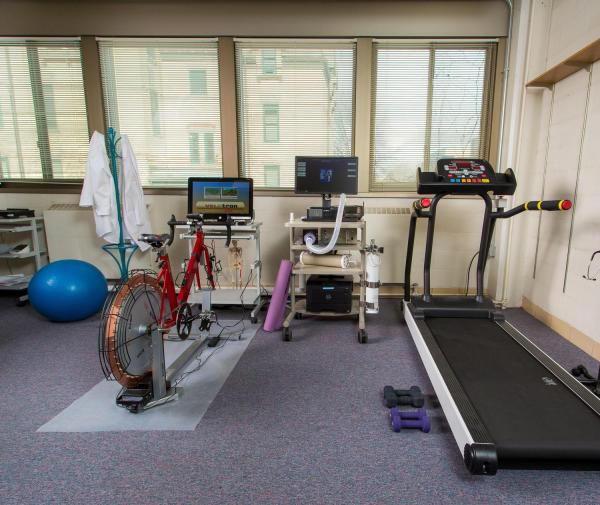
Integrative Physiology Laboratory

You’ll conduct much of your research in our Integrative Physiology Laboratory, where you’ll utilize equipment and tools to focus on three areas of research:

  • Age-related changes in physical function, mobility, and wellness
  • The metabolic and systemic adaptations that occur in response to exercise training in both younger and older adults
  • Nutritional supplementation, acute performance, and training adaptation
exercise science research space at Hamline

Biomechanics and Applied Sport Utility (BASU) Laboratory

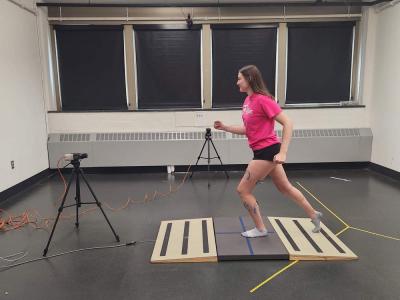
The BASU Laboratory is an exciting place to explore how the body moves, performs, and adapts in sport. Students in the lab can learn how biomechanics connects movement, performance, and injury prevention through hands-on research and applied projects.

In the lab, you can explore topics such as:

  • How fatigue affects muscle function and movement
  • How athletes move during sports and how to reduce injury risk
  • How biomechanics can be used to improve sport performance
  • How force, motion, and technique influence athletic movement

Faculty in Hamline's Exercise Science program

Lisa_Ferguson_Stegall

Lisa Stegall FACSM, ACSM-CPT

Professor and Program Director, Exercise Science
Areas of interest and expertise: Systemic adaptations that occur in response to exercise training and nutritional supplementation; the role of exercise in mitigating age-related changes in physical function; awareness among adults of the relationship between exercise and immune system function.

Lisa Ferguson Stegall is the director of the exercise science program at Hamline. She earned her PhD in Exercise Physiology from the University of Texas at Austin, where she worked with Dr. John Ivy in the exercise metabolism and physiology lab. She received further training as an NIH Post-Doctoral Fellow at the University of Minnesota in muscle physiology and aging biology.

View full bio
Divya Bhaskaran, Assistant Professor - Exercise Science

Divya Bhaskaran PhD

Assistant Professor, Exercise Science
Areas of interest and expertise: Lower extremity sports biomechanics; the effects of exercise on rehabilitation

Divya Bhaskaran received her PhD in Rehabilitation Science from the University of Minnesota. She has worked as a post-doctoral associate at Mayo Clinic and the University of Minnesota, where she worked with clinicians, therapists, and engineers and gained experience conducting clinical trials. 

View full bio
Image
Jenna Rubbelke, Exercise Science major at Hamline

Exercise science has a significant community aspect. All of our labs are hands-on, and we conduct them in the athletic training room on campus. What we learn in our labs would be demonstrations at larger universities, but we have the opportunity to work closely with student-athletes and our professors to better understand the material.

Jenna Rubbelke '25, exercise science; of North Saint Paul, MN

Preparing for a career in exercise physiology

What is exercise physiology?

Exercise physiology is the study of how the human body adapts and responds to physical activity. From athletic performance and sports science to physical therapy and rehabilitation, this field is as flexible as the human body. Whether you aspire to become a physical therapist, athletic trainer, sports scientist, cardiac rehabilitation specialist, exercise physiologist, or beyond, a foundation in exercise physiology will help you empower people to improve their health, boost athletic performance, prevent injuries, and recover from illness or surgery.

Exercise Science news

Take your next step today

Interested in exercise science? We’d love to send you information, including more on academics, sports, and student life at Hamline.